
Subaru Winter Battery Care in Edmonton
Subaru Winter Battery Care in Edmonton
Posted on September 15, 2026
Subaru Battery Care for Confident Starts Through an Edmonton Winter
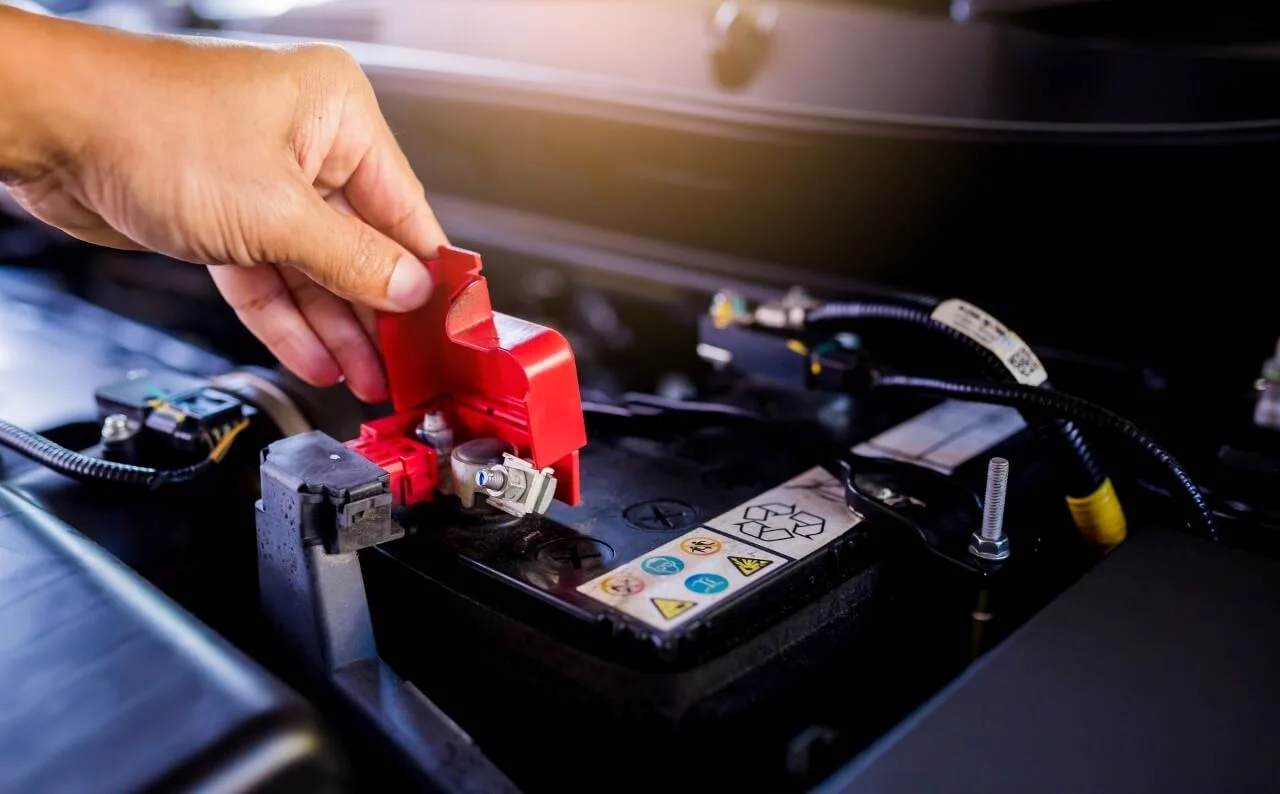
A healthy 12-volt battery supports reliable starting and powers many of the electrical systems used every day. As Edmonton temperatures fall, a little preventative attention can help your Subaru remain ready for morning commutes, errands and winter travel.
Cold weather does not automatically mean a battery needs replacement. A condition-based test can show how the battery and charging system are performing before deep winter arrives.
Why Cold Weather Makes Battery Condition More Important
A conventional 12-volt automotive battery relies on a chemical reaction to store and release energy. That reaction slows as the temperature drops.
At the same time, a cold engine can require more effort to start. Heated seats, the rear defroster, the blower motor, exterior lights and other winter accessories also place demands on the electrical system.
A battery that performed normally through summer may have less reserve available during a cold start. Testing provides a clearer picture than age alone.
What a Battery and Charging-System Test Can Check
| Test Area | What It Helps Evaluate |
|---|---|
| State of charge | How fully charged the battery is at the time of testing |
| Available starting capacity | How well the battery can supply power under load |
| Charging-system output | Whether the vehicle is replenishing the battery appropriately |
| Cables and terminals | Whether connections are secure and free from excessive corrosion or damage |
A low state of charge does not always mean the battery has lost capacity. It may need charging before it can be tested accurately. Our technicians can interpret the results in the context of battery type, vehicle model and driving habits.
Practical Signs That Deserve Attention
Your Subaru may provide useful clues when the 12-volt system needs attention. Arrange an inspection if you notice:
- Starting that sounds noticeably slower than usual
- Repeated need for a boost
- Battery or charging-system warning messages
- Electrical behaviour that changes during startup
- Visible corrosion, looseness or damage around the battery connections
These signs can have more than one cause. A battery test, charging-system test and connection inspection help avoid replacing parts without evidence.
Battery Age Is Useful Context, Not a Diagnosis
Batteries do not all age at the same rate. Temperature, driving frequency, storage, charging-system condition, vibration and accessory use can affect service life.
An older battery may still test well, while a newer one may become discharged because the vehicle has been parked or driven only occasionally. Testing the battery’s present condition is more useful than relying on age alone.
How Driving Habits Affect Battery Charge
Starting the vehicle uses energy. The charging system then replenishes that energy while the vehicle is operating.
Repeated very short trips may not provide the same recovery opportunity as a longer drive, especially when lights, defrosters and cabin heat are being used. Vehicles that sit for extended periods can also gradually lose charge.
If your Subaru is driven infrequently, ask our team whether a model-compatible battery maintainer is appropriate. Chargers and maintainers must be connected and used according to their instructions.
Simple Winter Battery-Care Habits
- Schedule a battery and charging-system test before prolonged cold weather.
- Keep the top of the battery and surrounding area clean and dry.
- Have loose or corroded connections inspected professionally.
- Turn off unnecessary electrical accessories before shutting down.
- Drive the vehicle regularly when practical.
- Follow the maintenance guidance for your specific model and year.
Do not disconnect or work around a battery unless you understand the correct procedure. Modern vehicles contain sensitive electronics, and hybrid or electric models also include high-voltage components that require specialized training.
What About Hybrid and Electric Subaru Models?
Hybrid and electric vehicles still use a low-voltage electrical system for computers, locks, lighting and startup functions. Their high-voltage traction batteries are separate systems.
Service procedures vary by model. Our trained team can identify the correct testing and maintenance approach without disturbing high-voltage components.
Start Winter with a Clear Battery Assessment
Subaru Canada’s maintenance guidance recognizes that low temperatures can justify additional battery attention. A preventative test can identify a battery that needs charging, a connection that needs service or a battery that no longer meets the vehicle’s needs.
Review our Subaru maintenance calendar or request a battery service appointment at Subaru City. We will help prepare your Subaru for confident starts throughout the Edmonton winter.