
October Subaru EV Battery Preconditioning Explained
October Subaru EV Battery Preconditioning Explained
Posted on September 15, 2026
Electric vehicles are changing quickly, and one of the most useful developments for Canadian drivers is battery preconditioning. This technology helps an EV prepare its high-voltage battery for cold-weather driving or charging.
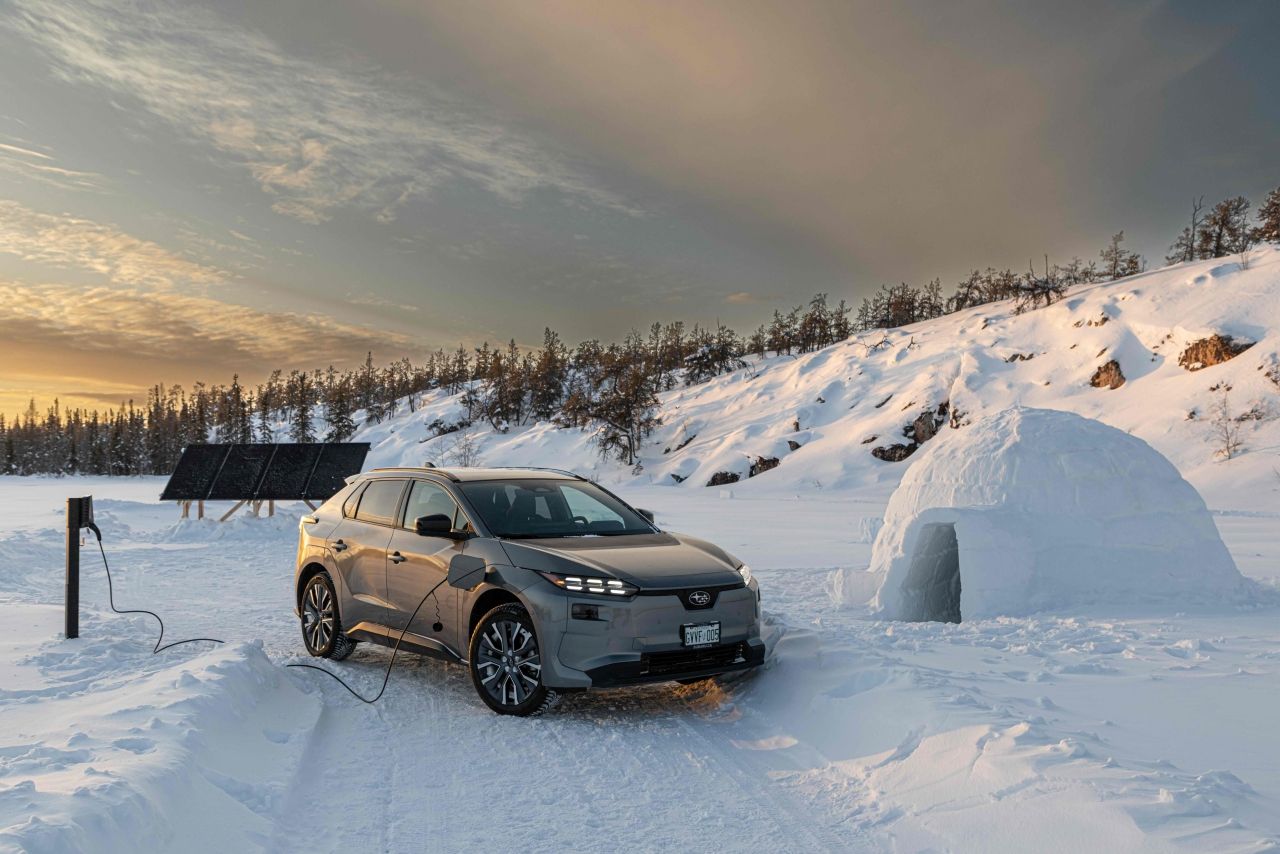
Cold-Weather EV Confidence: Subaru Battery Preconditioning Explained
For Edmonton drivers considering an electric Subaru, understanding preconditioning can make winter charging feel more predictable. It does not eliminate the effects of cold temperatures, but it can help the vehicle manage those conditions more effectively.
What Is EV Battery Preconditioning?
A lithium-ion battery has a preferred operating-temperature range. When the battery is very cold, it may accept energy from a DC fast charger more slowly than it would under ideal conditions.
Battery preconditioning uses the vehicle’s thermal-management system to warm the battery toward a more suitable temperature. When activated before a planned fast-charging stop, it can help the battery arrive better prepared to receive energy.
This process is different from warming the passenger compartment. Cabin preconditioning focuses on interior comfort and window clearing. Battery preconditioning focuses on the high-voltage battery. Depending on the vehicle and settings, the two functions may operate together or separately.
Why Preconditioning Matters in Edmonton
Edmonton winters regularly bring temperatures well below freezing. Cold weather affects all vehicles, but EV drivers experience it differently because cabin heat, battery temperature, speed and road conditions can influence energy use and charging performance.
Preconditioning helps by preparing key systems before the vehicle needs them. The practical benefits may include:
- Supporting stronger DC fast-charging performance in low temperatures
- Helping the cabin reach a comfortable temperature before departure
- Reducing the amount of battery energy needed for initial cabin heating when the vehicle is plugged in
- Making winter travel and charging stops easier to plan
Actual results vary with temperature, battery state of charge, charger output, driving habits, road conditions and vehicle settings.
How to Use Preconditioning Effectively
Before Leaving Home
When possible, keep the vehicle connected to its home charger while preparing for departure. On supported models, scheduled or remote climate functions may allow you to warm the cabin before unplugging.
Using energy from the charging source for initial cabin heating can help preserve more of the stored battery energy for driving. Available connected functions vary by model, equipment, software and subscription status.
Before a DC Fast-Charging Stop
Battery preconditioning is most valuable when it has enough time to prepare the pack before arrival. Some vehicles can begin the process automatically when a compatible fast charger is selected through the built-in navigation system. Others may provide a manual control.
Follow the instructions in the vehicle’s owner’s manual because activation methods can differ between models and software versions.
While Planning a Winter Route
Build flexibility into longer winter drives. Check charging availability, identify an alternate stop and avoid planning around the maximum ideal-condition range.
A warmer battery, a functioning charger and extra time at the stop can all contribute to a smoother trip. Severe weather, road closures or a busy charging location may still change the plan.
Preconditioning in the Newest Electric Subaru Models
Subaru’s expanding electric lineup introduces winter-relevant charging technology across vehicles such as the Uncharted and Trailseeker.
The 2027 Subaru Uncharted supports battery and cabin preconditioning. It also uses a standard NACS charging port and supports Level 2 and Level 3 charging. Subaru identifies an approximate 10-to-80-percent DC fast-charging time starting from 30 minutes in ideal conditions, although actual charging time will vary.
The 2027 Subaru Trailseeker also includes battery preconditioning designed to support stronger cold-weather charging performance. Its electric powertrain combines this charging technology with Subaru Symmetrical Full-Time AWD and dual-function X-MODE.
Features and operation can differ by model and trim. Confirm the equipment included on the specific vehicle you are considering.
Winter Range Still Requires Realistic Planning
Preconditioning is helpful, but it cannot make winter identical to summer. Cold air, winter tires, snow, cabin heating, highway speeds and battery temperature can all affect energy consumption.
A practical winter routine includes:
- Starting with an appropriate charge level for the planned trip
- Preconditioning while connected when possible
- Keeping tires properly inflated
- Using seat and steering-wheel heating efficiently when equipped
- Leaving a comfortable energy reserve
- Checking charging-station status before a longer drive
Explore Electric Subaru Options in Edmonton
Battery preconditioning is one part of a broader cold-weather EV system. Charging access, drivetrain, range needs, passenger space and daily driving distance should all inform your decision.
Explore our new Subaru inventory or speak with our team about the latest electric Subaru models. We can help you understand charging, available features and how an EV could fit your Edmonton driving routine.