
7 Driving Habits that Affect Your Subaru's Lifespan
7 Driving Habits that Affect Your Subaru's Lifespan
Posted on February 19, 2026
How to Change Your Driving Habits to Save Money
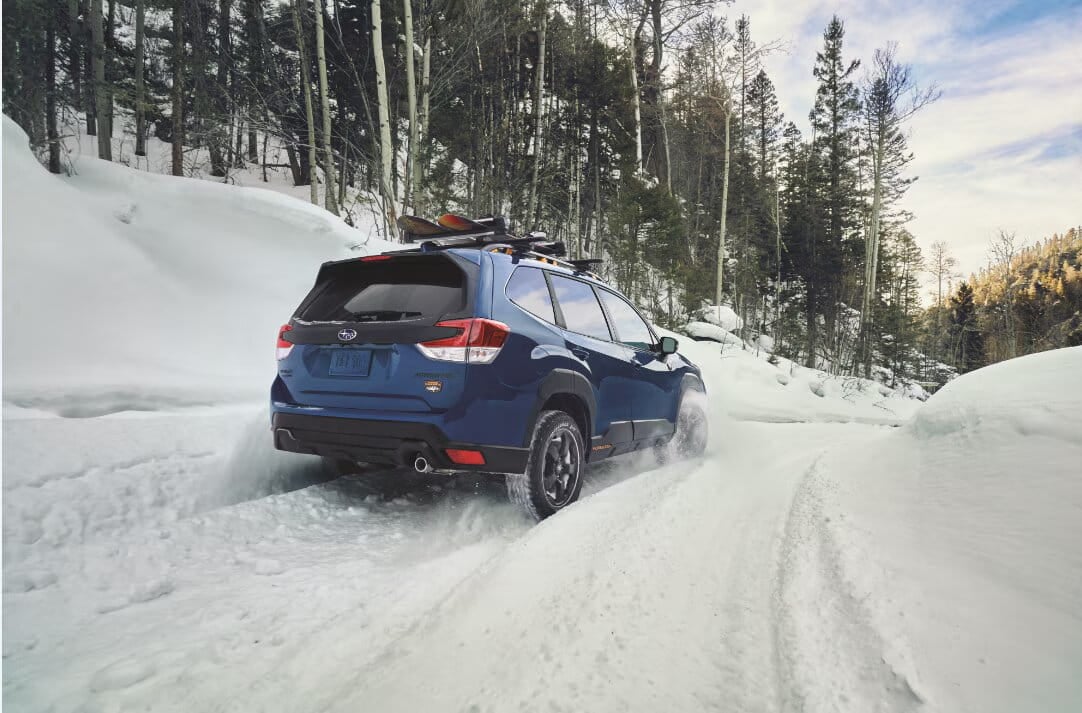
Subaru vehicles are built for longevity, especially in a city like Edmonton where all-wheel drive capability and durability matter year-round. From icy winter mornings to long summer highway drives, your Crosstrek, Forester, Outback, or Ascent is designed to handle changing conditions. Still, even the most reliable vehicle can wear out faster if certain driving habits become routine.
If you want to protect performance, fuel efficiency, and long-term value, avoiding the habits below can make a noticeable difference over time.
1. Driving Hard Immediately After a Cold Start
One of the most common habits that affects engine longevity is accelerating aggressively right after starting your vehicle, especially during Edmonton’s colder months.
When your engine is cold, oil has not yet fully circulated and reached optimal operating temperature. Revving the engine or accelerating quickly puts extra strain on internal components before they are properly lubricated.
What to do instead:
- Let the engine idle for 30–60 seconds.
- Drive gently for the first few minutes.
- Avoid high RPMs until the engine reaches normal temperature.
This simple adjustment can significantly reduce long-term engine wear.
2. Ignoring Scheduled Maintenance
Skipping oil changes, fluid services, or inspections might save time in the short term, but it often leads to larger repairs later. Subaru’s symmetrical all-wheel drive system, transmission, and cooling components rely on clean fluids and regular checks to function properly.
What to do instead:
Follow your Subaru maintenance schedule and plan service around key mileage intervals. If you’re unsure what’s due next, you can book a service appointment at Subaru City Edmonton to review your vehicle’s needs.
3. Riding the Brakes
Keeping light pressure on the brake pedal while driving downhill or in traffic may feel controlled, but it generates unnecessary heat and accelerates brake wear.
Over time, this can lead to warped rotors, reduced braking performance, and higher repair costs.
What to do instead:
- Maintain a safe following distance.
- Use steady, deliberate braking.
- Downshift appropriately on long descents when safe to do so.
4. Hitting Potholes and Curbs Without Slowing Down
Edmonton roads can take a toll on suspension components, especially after winter freeze-thaw cycles. Repeated impacts from potholes and curbs stress your suspension, steering components, wheel bearings, and alignment.
Misalignment not only affects handling but also leads to uneven tire wear.
What to do instead:
Slow down when approaching rough pavement and schedule an alignment check if you notice pulling, vibration, or uneven tire wear.
5. Overloading Your Vehicle
Subaru SUVs are known for practicality, but consistently exceeding weight limits puts strain on the suspension, brakes, and drivetrain.
This includes:
- Overloading cargo areas
- Improper towing setups
- Roof racks carrying more than recommended limits
What to do instead:
Check your owner’s manual for weight ratings and ensure towing equipment is properly matched to your model.
6. Letting the Fuel Level Run Too Low
Regularly driving with very little fuel in the tank can cause the fuel pump to work harder and potentially draw in sediment from the bottom of the tank.
Over time, this may affect fuel system components and efficiency.
What to do instead:
Try to keep your fuel level above one-quarter of a tank, especially during colder months when condensation can also become a factor.
7. Ignoring Warning Lights or Unusual Sounds
Modern Subaru vehicles are equipped with advanced monitoring systems. A check engine light, unusual vibration, or new sound is often an early signal that something needs attention.
Delaying diagnosis can turn a minor issue into a more expensive repair.
What to do instead:
If you notice a warning light or unusual driving behavior, schedule an inspection promptly. Early intervention protects both your safety and your Subaru’s lifespan.
Protect Your Subaru for the Long Run
Small adjustments in daily driving habits can add up to major long-term benefits. Gentle warm-ups, consistent maintenance, attentive braking, and proactive inspections all help extend the life of your Subaru.
If you want help reviewing your maintenance schedule or checking on a concern, the team at Subaru City Edmonton is ready to assist. You can schedule your next service appointment online and keep your Subaru performing confidently through every Edmonton season.